
A brief history of speciality coffee
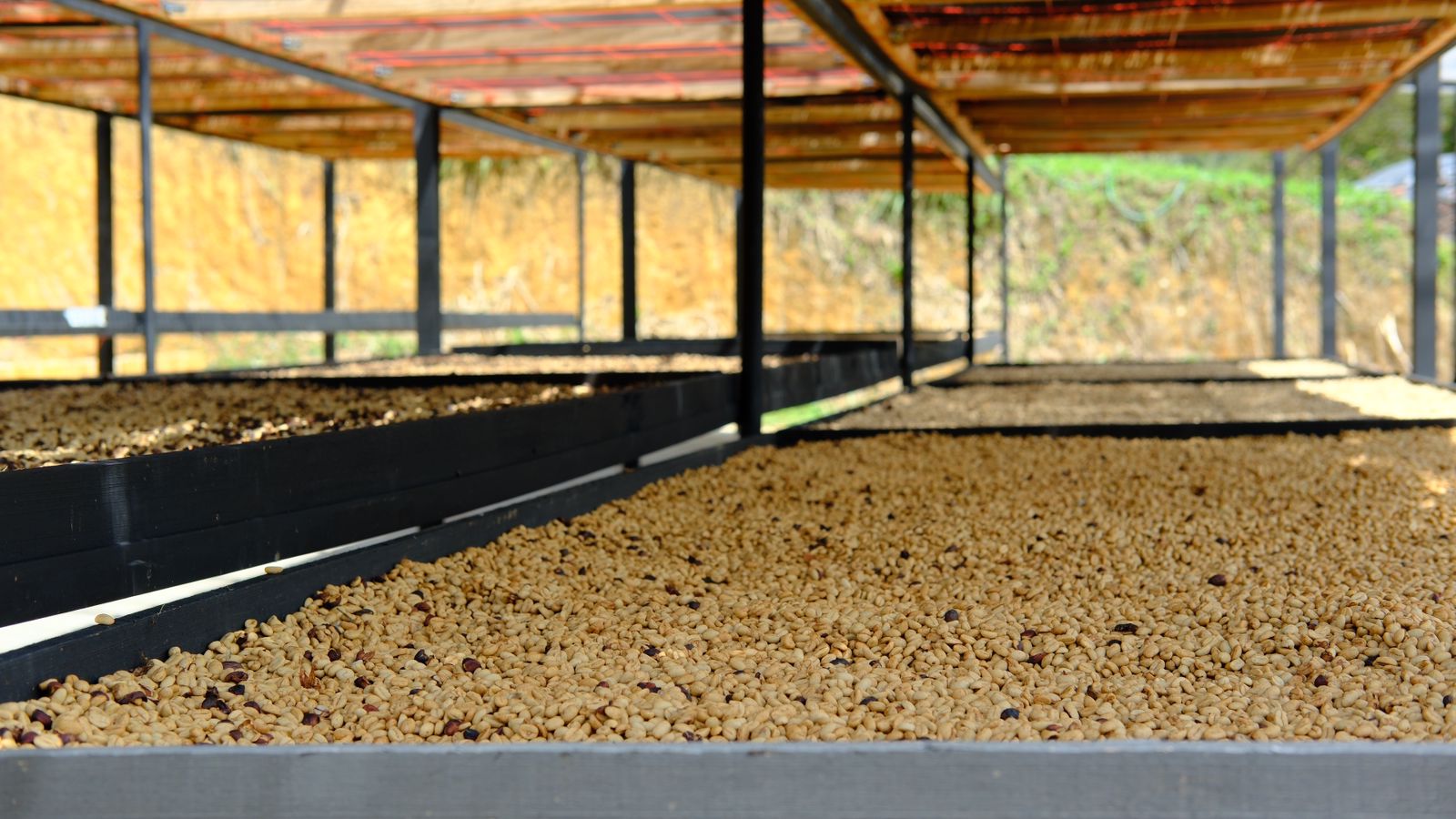
So-called speciality coffee has had a gradual and complex evolution. Its origins can be traced back to the 1950s and 1960s in the United States, when some consumers and experts began to value coffee for its quality and origin, rather than simply consuming it as an everyday beverage. However, it was in the 1980s that the concept of ‘speciality coffee’ was consolidated by Erna Knutsen, who considered that this term could be given to coffee beans of exceptional quality from micro-lots, highlighting their origin in beans grown under optimal conditions.
Erna Knutsen, a secretary born into a Norwegian family, was hired in 1968 by Bert Fulmer, a partner at coffee importer B.C. Ireland in San Francisco. Although the importer dealt in large volumes of coffee, Erna began to identify some beans that stood out from the rest and that she considered to be true gems. She began tasting and cupping them. Erna began to collaborate with small roasters, to whom she offered these ‘special coffees’ or little gems.
In 1973, Erna earned a place at the B.C. Ireland cupping table, and continued to develop a close relationship with small roasters who valued these exceptional coffees. She also began to network with producers, an unusual detail, since at that time coffee importers communicated with banks at origin and with brokers, but not with producers. However, she considered it essential to establish direct contact with them, which she did throughout her career.
Eventually, Erna was appointed vice-president and then president of B.C. Ireland. The company was eventually acquired and renamed Knutsen Coffees, LTD, in honour of her legacy.
In the late 1980s and early 1990s, with the proliferation of specialty coffee shops, specialty coffee established itself as a distinct category within the coffee industry.
Speciality coffee is characterised by its high quality, which is measured in terms of its score (between 80 and 90 points), according to the ‘Scale of Coffee Quality’ (SCA). This type of coffee is grown in specific regions with ideal climatic conditions, harvested by hand, processed with careful techniques and finally roasted with great care to bring out the unique characteristics of each bean. Today, speciality coffee is valued not only for its quality, but also for the traceability of its origin, which allows consumers to know the story behind each cup.
This movement has transformed the coffee industry, driving a more conscious and transparent approach to both production and consumption, and has given rise to a new generation of coffee growers (eager to do their job better and better by learning and applying new techniques and processes), importers who are concerned that coffee producers are respected and valued, who are dedicated to travelling to the origin and getting a closer look at what goes into making a good bean (including CAFEGA), new roasters with an increasingly ethical philosophy, baristas, and coffee lovers who value both taste and ethical trading practices.